
Start your online visit
Top Products
Resources
Have Questions?
Talk to live agent (Mon – Fri: 9:30am – 6:30pm EST).
(866) 294-3772
More questions? Visit our FAQ page
Testosterone
Cypionate
Testosterone
Cypionate
Testosterone cypionate is an injectable form of testosterone replacement therapy. It’s a prescription medication used to treat men with symptoms of hypogonadism.
- Testosterone injection
- Alleviates symptoms of conditions associated with low testosterone
- Shipped right to your door
Important: Some studies, but not all, have reported an increased risk of major adverse cardiovascular events like heart attack or stroke in association with use of testosterone replacement therapy
Why testosterone cypionate?
Testosterone cypionate is a popular option for testosterone replacement therapy (TRT) due to its effectiveness in restoring and maintaining stable testosterone levels. Its long-acting formulation allows for less frequent dosing – typically two times per week – which is convenient for patients.
Testosterone replacement therapies – including testosterone cypionate injections – are controlled substances because testosterone can become a target for prescription abuse.
How to administer testosterone cypionate injections
Testosterone cypionate injections are typically administered intramuscularly into the gluteal muscle in the buttocks or into the thigh muscle. The injection is typically administered two times per week – depending on your healthcare provider’s recommendations.
Be sure to follow your healthcare provider’s recommendations and the instructions provided with your medication.
Common testosterone cypionate side effects
Like any medication, testosterone cypionate may come with some potential side effects. The most common side effects include mood swings, acne, oily skin, hair loss, and headaches.
Some individuals may also experience injection site reactions, such as pain, swelling, or redness at the injection site. These side effects are usually mild and temporary, resolving on their own as the body adjusts to the medication.
Additionally, testosterone cypionate may increase the risk of certain medical conditions, such as sleep apnea, prostate enlargement, and cardiovascular events (including heart attack and stroke) – particularly in individuals with preexisting risk factors.

How Does Testosterone Cypionate Work?
Testosterone cypionate works by increasing testosterone levels in the body, which can help alleviate symptoms of conditions associated with low testosterone, such as low libido, erectile dysfunction, fatigue, depression, irritability, decreased physical strength, and decreased bone density.
Once it’s injected into the body, testosterone cypionate is slowly absorbed into the bloodstream, where it exerts its effects.
In the bloodstream, testosterone cypionate binds to hormone receptors throughout the body. This binding helps regulate metabolism, promotes tissue growth and repair.
By restoring testosterone levels to within normal ranges, testosterone cypionate can improve overall quality of life and well-being in individuals with hypogonadism.

Why Choose Rex MD for Testosterone Therapy?
Rex MD helps eligible patients get access to prescription medications to treat conditions for which low testosterone may be a symptom. Once labwork is completed, the process happens quickly, discreetly, affordably, and best of all virtually.
No in-person doctor visit needed!

How to Get Testosterone Cypionate Through Rex MD

Dynamic questionnaire & lab work
Answer questions online about your symptoms and medical history. Once prequalified, you’ll complete lab work either at a local Quest or LabCorp facility or via an at-home lab test kit before your virtual consultation with a Rex MD affiliated provider.

Virtual Consultation
After your results are ready, you can schedule a video call with a licensed healthcare provider to discuss your results, eligibility, and which treatment option would be most suitable for you, if any.

Fast, discreet shipping
If prescribed, your medication will ship out in discreet packaging within two days. You’ll need to be home to sign for your medication when it arrives if it is a form of TRT. For other medications, this requirement may not apply.

Ongoing support
You can message your provider anytime to discuss your treatment, ask questions, and make adjustments, if needed. You’ll have to get new labs after 90 days since your start date, and then every six months, a video call with your provider at least once a year.
Frequently asked questions about testosterone cypionate
Is testosterone cypionate a controlled substance?
Yes, testosterone cypionate is a controlled substance. It’s classified as a Schedule III controlled substance in the United States due to its potential for abuse and dependence. Be sure to keep it in a safe place and do not share it with others, even if they also have a prescription.
Because testosterone cypionate is a controlled substance, you’ll need to be home to sign for your medication when it arrives.
Does testosterone cypionate need to be refrigerated?
No, testosterone cypionate does not need to be refrigerated. Store your medication in a dark, dry place at room temperature. Be sure to keep your medication in a safe place and away from children’s reach.
Why do some people choose to inject testosterone cypionate in the thigh instead of the buttocks?
Intramuscular injections like testosterone cypionate are given on the thigh for various reasons. For starters, the thigh is easy to access when administering an injection on yourself. The muscles in the thigh are thick and well-formed and away from major blood vessels and nerves, which allows for a large surface area and minimizes potential error.
Can you take testosterone cypionate with other testosterone treatments?
Generally, it’s not recommended to take testosterone cypionate with other testosterone treatments unless specifically directed by a healthcare provider. Combining multiple testosterone therapies can increase the risk of side effects and lead to excessively high testosterone levels, which can have harmful effects on the body.
Always be sure to consult with your healthcare provider before combining or switching testosterone treatments to ensure safe and effective management of your condition.
What’s the difference between testosterone replacement therapy and testosterone support treatments?
Testosterone replacement therapy (TRT) is used to address conditions associated with symptoms of low testosterone levels. It involves replacing the body's insufficient testosterone with synthetic forms, typically through injections like cypionate or gels.
Testosterone support treatments, on the other hand, aim to enhance or support natural testosterone production rather than replace it. These treatments might include lifestyle changes, dietary supplements, or medications like Clomid® that helps optimize the body’s own testosterone levels. They are often used for individuals with lower but not critically low testosterone levels or those looking to improve overall hormone balance without full replacement.
Can you drink alcohol while taking testosterone cypionate?
While moderate alcohol consumption may not be harmful for everyone taking testosterone cypionate, it's generally advisable to limit or avoid alcohol. This is because both alcohol and testosterone cypionate can put stress on the liver, and combining them can increase the risk of liver damage or exacerbate existing liver conditions.
Additionally, alcohol can interfere with hormone metabolism, potentially affecting the effectiveness of testosterone therapy and exacerbating symptoms of hypogonadism. Alcohol can also intensify certain side effects of testosterone cypionate, such as mood swings, aggression, and cardiovascular issues.
Does testosterone cypionate affect your fertility?
Yes, testosterone cypionate can affect your fertility. Reduced fertility is observed in some men taking testosterone replacement therapy and its impact on fertility may be irreversible.
Testosterone replacement therapy – including testosterone cypionate – can suppress the body's natural production of testosterone. This suppression can reduce sperm production, leading to decreased sperm count and potentially causing infertility. This occurs because the external supply of testosterone can signal the body to reduce its own testosterone production, which is crucial for normal sperm production.
Explore Our Testosterone Program Solutions
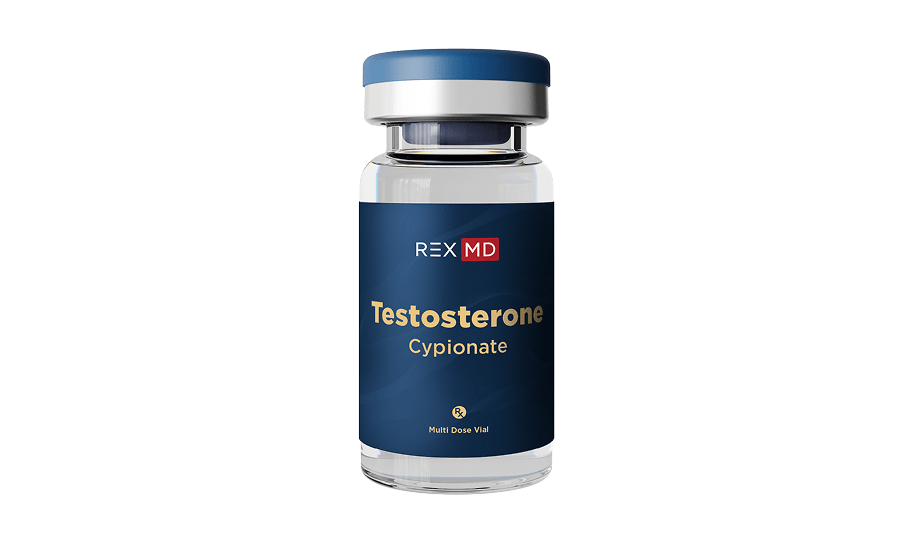
TRT
Testosterone Cypionate
An injectable form of testosterone that helps maintain stable levels in the bloodstream.
ⓘ Important safety information ›
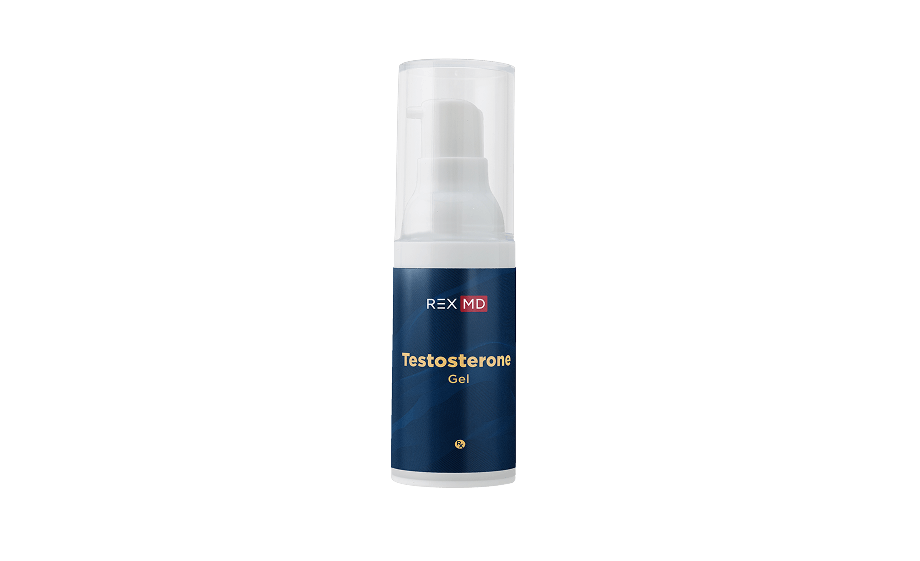
TRT
Testosterone Gel
A topical gel applied to the skin that provides a steady release of testosterone.
ⓘ Important safety information ›
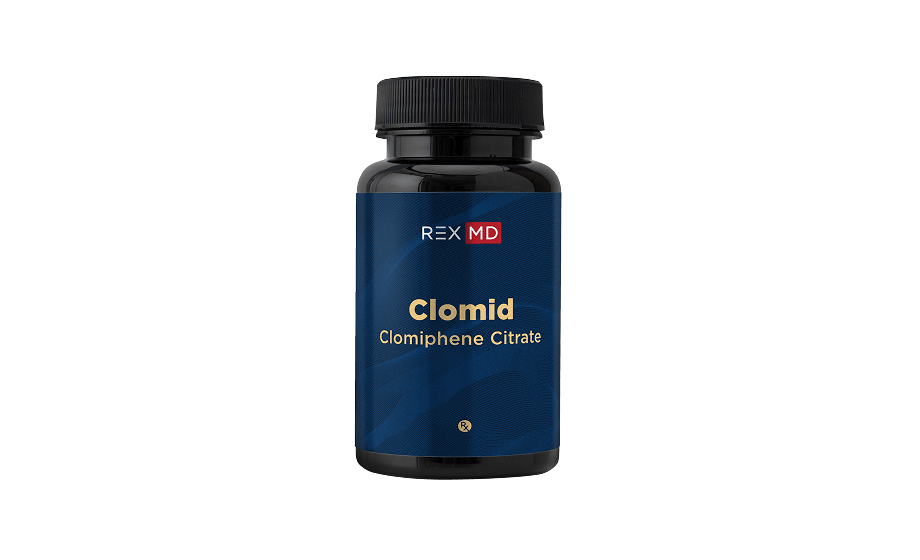
Testosterone Support
Clomid®
An oral medication that helps stimulate the body's own production of testosterone.
ⓘ Important safety information ›
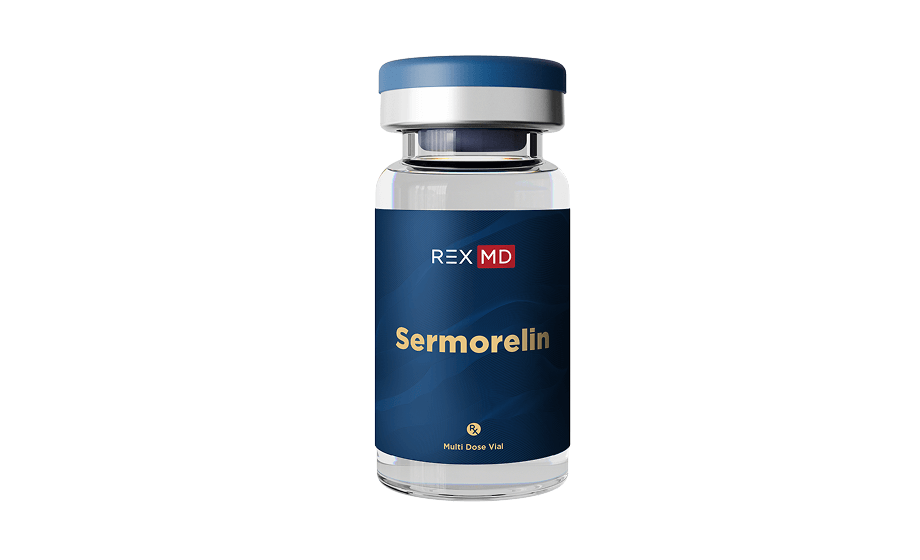
Testosterone Support
Sermorelin
A compounded peptide therapy that boosts growth hormone (GH), supporting overall health and potentially improving factors related to low testosterone.††
ⓘ Important safety information ›




Important Safety Information
Testosterone Therapy
Last Updated: Oct 15, 2024
Table of Contents
- Testosterone Cypionate Injection
- Testosterone Gel 1.62% CIII
- CLOMID® (clomiphene citrate)
- Sermorelin
Testosterone Cypionate Injection
INDICATIONS AND USAGE
Testosterone Cypionate Injection is indicated for replacement therapy in the male in conditions associated with symptoms of deficiency or absence of endogenous testosterone.
1. Primary hypogonadism (congenital or acquired)-testicular failure due to cryptorchidism, bilateral torsion, orchitis, vanishing testis syndrome; or orchidectomy.
2. Hypogonadotropic hypogonadism (congenital or acquired) - gonadotropin or LHRH deficiency, or pituitary-hypothalamic injury from tumors, trauma, or radiation.
Safety and efficacy of Testosterone Cypionate Injection in men with "age-related hypogonadism" (also referred to as "late-onset hypogonadism") have not been established.
CONTRAINDICATIONS
1. Known hypersensitivity to the drug
2. Males with carcinoma of the breast
3. Males with known or suspected carcinoma of the prostate gland
4. Women who are pregnant.
5. Patients with serious cardiac, hepatic or renal disease.
WARNINGS
Hypercalcemia may occur in immobilized patients. If this occurs, the drug should be discontinued.
Prolonged use of high doses of androgens (principally the 17-α alkyl-androgens) has been associated with development of hepatic adenomas, hepatocellular carcinoma, and peliosis hepatis —all potentially life-threatening complications.
Geriatric patients treated with androgens may be at an increased risk of developing prostatic hypertrophy and prostatic carcinoma although conclusive evidence to support this concept is lacking.
There have been postmarketing reports of venous thromboembolic events, including deep vein thrombosis (DVT) and pulmonary embolism (PE), in patients using testosterone products, such as testosterone cypionate. Evaluate patients who report symptoms of pain, edema, warmth and erythema in the lower extremity for DVT and those who present with acute shortness of breath for PE. If a venous thromboembolic event is suspected, discontinue treatment with testosterone cypionate and initiate appropriate workup and management.
Long term clinical safety trials have not been conducted to assess the cardiovascular outcomes of testosterone replacement therapy in men. To date, epidemiologic studies and randomized controlled trials have been inconclusive for determining the risk of major adverse cardiovascular events (MACE), such as non-fatal myocardial infarction, non-fatal stroke, and cardiovascular death, with the use of testosterone compared to non-use. Some studies, but not all, have reported an increased risk of MACE in association with use of testosterone replacement therapy in men. Patients should be informed of this possible risk when deciding whether to use or to continue to use Testosterone Cypionate Injection.
Testosterone has been subject to abuse, typically at doses higher than recommended for the approved indication and in combination with other anabolic androgenic steroids. Anabolic androgenic steroid abuse can lead to serious cardiovascular and psychiatric adverse reactions.
If testosterone abuse is suspected, check serum testosterone concentrations to ensure they are within therapeutic range. However, testosterone levels may be in the normal or subnormal range in men abusing synthetic testosterone derivatives. Counsel patients concerning the serious adverse reactions associated with abuse of testosterone and anabolic androgenic steroids. Conversely, consider the possibility of testosterone and anabolic androgenic steroid abuse in suspected patients who present with serious cardiovascular or psychiatric adverse events.
Edema, with or without congestive heart failure, may be a serious complication in patients with pre-existing cardiac, renal or hepatic disease.
Gynecomastia may develop and occasionally persists in patients being treated for hypogonadism.
The preservative benzyl alcohol has been associated with serious adverse events, including the "gasping syndrome", and death in pediatric patients. Although normal therapeutic doses of this product ordinarily deliver amounts of benzyl alcohol that are substantially lower than those reported in association with the "gasping syndrome", the minimum amount of benzyl alcohol at which toxicity may occur is not known. The risk of benzyl alcohol toxicity depends on the quantity administered and the liver and kidneys' capacity to detoxify the chemical. Premature and low-birth weight infants may be more likely to develop toxicity.
Androgen therapy should be used cautiously in healthy males with delayed puberty. The effect on bone maturation should be monitored by assessing bone age of the wrist and hand every 6 months. In children, androgen treatment may accelerate bone maturation without producing compensatory gain in linear growth. This adverse effect may result in compromised adult stature. The younger the child the greater the risk of compromising final mature height.
This drug has not been shown to be safe and effective for the enhancement of athletic performance. Because of the potential risk of serious adverse health effects, this drug should not be used for such purpose.
PRECAUTIONS
General
Patients with benign prostatic hypertrophy may develop acute urethral obstruction. Priapism or excessive sexual stimulation may develop. Oligospermia may occur after prolonged administration or excessive dosage. If any of these effects appear, the androgen should be stopped and if restarted, a lower dosage should be utilized.
Testosterone cypionate should not be used interchangeably with testosterone propionate because of differences in duration of action.
Testosterone cypionate is not for intravenous use.
Information for patients
Patients should be instructed to report any of the following: nausea, vomiting, changes in skin color, ankle swelling, too frequent or persistent erections of the penis.
Laboratory tests
Hemoglobin and hematocrit levels (to detect polycythemia) should be checked periodically in patients receiving long-term androgen administration.
Serum cholesterol may increase during androgen therapy.
Drug interactions
Androgens may increase sensitivity to oral anticoagulants. Dosage of the anticoagulant may require reduction in order to maintain satisfactory therapeutic hypoprothrombinemia.
Concurrent administration of oxyphenbutazone and androgens may result in elevated serum levels of oxyphenbutazone.
In diabetic patients, the metabolic effects of androgens may decrease blood glucose and, therefore, insulin requirements.
Drug/Laboratory test Interferences
Androgens may decrease levels of thyroxine-binding globulin, resulting in decreased total T4 serum levels and increased resin uptake of T3 and T4. Free thyroid hormone levels remain unchanged, however, and there is no clinical evidence of thyroid dysfunction.
Carcinogenesis
Animal data
Testosterone has been tested by subcutaneous injection and implantation in mice and rats. The implant induced cervical-uterine tumors in mice, which metastasized in some cases. There is suggestive evidence that injection of testosterone into some strains of female mice increases their susceptibility to hepatoma. Testosterone is also known to increase the number of tumors and decrease the degree of differentiation of chemically induced carcinomas of the liver in rats.
Human data
There are rare reports of hepatocellular carcinoma in patients receiving long-term therapy with androgens in high doses. Withdrawal of the drugs did not lead to regression of the tumors in all cases.
Geriatric patients treated with androgens may be at an increased risk of developing prostatic hypertrophy and prostatic carcinoma although conclusive evidence to support this concept is lacking.
ADVERSE REACTIONS
The following adverse reactions in the male have occurred with some androgens:
Endocrine and urogenital: Gynecomastia and excessive frequency and duration of penile erections. Oligospermia may occur at high dosages.
Skin and appendages: Hirsutism, male pattern of baldness, seborrhea, and acne.
Cardiovascular Disorders: myocardial infarction, stroke.
Fluid and electrolyte disturbances: Retention of sodium, chloride, water, potassium, calcium, and inorganic phosphates.
Gastrointestinal: Nausea, cholestatic jaundice, alterations in liver function tests, rarely hepatocellular neoplasms and peliosis hepatis.
Hematologic: Suppression of clotting factors II, V, VII, and X, bleeding in patients on concomitant anticoagulant therapy, and polycythemia.
Nervous system: Increased or decreased libido, headache, anxiety, depression, and generalized paresthesia.
Allergic: Hypersensitivity, including skin manifestations and anaphylactoid reactions.
Vascular disorders: Venous thromboembolism.
Special senses: Rare cases of central serous chorioretinopathy (CSCR).
Miscellaneous: Inflammation and pain at the site of intramuscular injection.
DRUG ABUSE AND DEPENDENCE
Controlled Substance
Testosterone Cypionate Injection contains testosterone, a Schedule III controlled substance in the Controlled Substances Act.
Abuse
Drug abuse is intentional non-therapeutic use of a drug, even once, for its rewarding psychological and physiological effects. Abuse and misuse of testosterone are seen in male and female adults and adolescents. Testosterone, often in combination with other anabolic androgenic steroids (AAS), and not obtained by prescription through a pharmacy, may be abused by athletes and bodybuilders. There have been reports of misuse by men taking higher doses of legally obtained testosterone than prescribed and continuing testosterone despite adverse events or against medical advice.
Abuse-Related Adverse Reactions
Serious adverse reactions have been reported in individuals who abuse anabolic androgenic steroids and include cardiac arrest, myocardial infarction, hypertrophic cardiomyopathy, congestive heart failure, cerebrovascular accident, hepatotoxicity, and serious psychiatric manifestations, including major depression, mania, paranoia, psychosis, delusions, hallucinations, hostility and aggression.
The following adverse reactions have also been reported in men: transient ischemic attacks, convulsions, hypomania, irritability, dyslipidemias, testicular atrophy, subfertility, and infertility.
The following additional adverse reactions have been reported in women: hirsutism, virilization, deepening of voice, clitoral enlargement, breast atrophy, male-pattern baldness, and menstrual irregularities.
The following adverse reactions have been reported in male and female adolescents: premature closure of bony epiphyses with termination of growth, and precocious puberty.
Because these reactions are reported voluntarily from a population of uncertain size and may include abuse of other agents, it is not always possible to reliably estimate their frequency or establish a causal relationship to drug exposure.
Dependence
Behaviors Associated with Addiction
Continued abuse of testosterone and other anabolic steroids, leading to addiction is characterized by the following behaviors:
Taking greater dosages than prescribed
Continued drug use despite medical and social problems due to drug use
- Spending significant time to obtain the drug when supplies of the drug are interrupted
- Giving a higher priority to drug use than other obligations
- Having difficulty in discontinuing the drug despite desires and attempts to do so
- Experiencing withdrawal symptoms upon abrupt discontinuation of use
Physical dependence is characterized by withdrawal symptoms after abrupt drug discontinuation or a significant dose reduction of a drug. Individuals taking supratherapeutic doses of testosterone may experience withdrawal symptoms lasting for weeks or months which include depressed mood, major depression, fatigue, craving, restlessness, irritability, anorexia, insomnia, decreased libido and hypogonadotropic hypogonadism.
Drug dependence in individuals using approved doses of testosterone for approved indications has not been documented.
You are encouraged to report negative side effects of prescription drugs to the FDA. Visit www.fda.gov/medwatch or call 1-800-FDA-1088
Testosterone Gel 1.62% CIII
Testosterone Gel 1.62% is a controlled substance, available by prescription, used to treat adult males who have low or no testosterone due to certain medical conditions.
It is not known if Testosterone Gel 1.62% is safe or effective to treat men who have low testosterone due to aging.
It is not known if Testosterone Gel 1.62% is safe or effective in children younger than 18 years old.
Testosterone Gel 1.62% is a controlled substance (CIII) because it contains testosterone that can be a target for people who abuse prescription medicines. Keep it in a safe place to protect it and never give it to anyone else. Selling or giving away this medicine may harm others and is against the law.
Testosterone Gel 1.62% is not meant for use in women.
IMPORTANT SAFETY INFORMATION
- Testosterone Gel 1.62% can transfer from your body to others, including children and women. This can happen if other people come into contact with the area where the Testosterone Gel 1.62% was applied. Children and women should avoid contact with the unwashed or not covered (unclothed) areas where Testosterone Gel 1.62% has been applied to your skin.
- Early signs and symptoms of puberty have occurred in young children who have come in direct contact with testosterone by touching areas where men have used Testosterone Gel 1.62%.
- Signs and symptoms of early puberty in a child who has come in direct contact with Testosterone Gel 1.62% may include:
- Abnormal sexual changes:
- Enlarged penis or clitoris.
- Early growth of hair near the vagina or around the penis (pubic hair).
- Erections or acting out sexual urges (sex drive).
- Behavior problems, including acting aggressively or behaving in an angry or violent way.
- Signs and symptoms in a woman who has come in direct contact with Testosterone Gel 1.62% may include:
- Changes in body hair.
- An abnormal increase in pimples (acne).
- To lower the risk of transfer of Testosterone Gel 1.62% from your body to others, you should follow these important instructions:
- Apply Testosterone Gel 1.62% only to your shoulders and upper arms that will be covered by a short-sleeve t-shirt.
- Wash your hands right away with soap and water after applying Testosterone Gel 1.62%.
- After the gel has dried, cover the application area with clothing. Keep the area covered until you have washed the application area well or have showered.
- If you expect to have skin-to-skin contact with another person, first wash the application area well with soap and water.
- If a child or woman touches the area where you have applied Testosterone Gel 1.62%, that area on the child or woman should be washed well with soap and water right away.
- Stop using Testosterone Gel 1.62% and call your healthcare provider right away if you see any signs and symptoms of puberty in a child, or changes in body hair or increased acne in a woman, that may have happened through accidental touching of the area where you have applied Testosterone Gel 1.62%.
- Do not use Testosterone Gel 1.62% if you:
- Have breast cancer or have or might have prostate cancer.
- Are pregnant. Testosterone Gel 1.62% may harm your unborn baby. Women who are pregnant should avoid contact with the area of skin where Testosterone Gel 1.62% has been applied.
- Before using Testosterone Gel 1.62%, tell your healthcare provider about all of your medical conditions, including if you have breast cancer; prostate cancer; urinary problems due to enlarged prostate; heart, kidney, or liver problems; or problems breathing while you sleep (sleep apnea).
- Tell your healthcare provider about all the medicines you take, including prescription and over-the-counter medicines, vitamins, and herbal supplements. Especially tell your healthcare provider if you take insulin, medicines that decrease blood clotting (blood thinners), or corticosteroids.
- Testosterone Gel 1.62% can cause serious side effects, including:
- If you already have an enlargement of your prostate gland, your signs and symptoms can get worse while using Testosterone Gel 1.62% (including changes in urination).
- Possible increased risk of prostate cancer.
- Blood clots in the legs or lungs. Signs and symptoms of a blood clot in your leg can include leg pain, swelling, or redness. Signs and symptoms of a blood clot in your lungs can include difficulty breathing or chest pain.
- Possible increased risk of heart attack or stroke.
- In large doses, Testosterone Gel 1.62% may lower your sperm count.
- Swelling of your ankles, feet, or body, with or without heart failure. This may cause serious problems for people who have heart, kidney, or liver disease.
- Enlarged or painful breasts.
- Having problems breathing while you sleep (sleep apnea).
- The most common side effects of Testosterone Gel 1.62% include increased prostate specific antigen (a test used to screen for prostate cancer), mood swings, high blood pressure, increased red blood cell count, and skin irritation where the gel is applied.
- This is the most important information to know about Testosterone Gel 1.62%. For further information, talk with your healthcare provider.
You are encouraged to report negative side effects of prescription drugs to the FDA. Visit www.fda.gov/medwatch or call 1-800-FDA-1088
For more information about Testosterone Gel 1.62% call 1-844-XIROMED (844-947-6633) or go to www.xiromed.com.
CLOMID® (clomiphene citrate)
Before starting CLOMID®, tell your doctor about all of your medical conditions, including if you:
- have a known hypersensitivity or allergy to clomiphene citrate or any of its ingredients
- have a history of liver problems
- have preexisting or family history of high cholesterol - have any organic intracranial lesion such as pituitary tumor.
Tell your doctor about all of the medicines you take, including prescription and over-the-counter medicines, vitamins, and herbal supplements. Tell your doctor if you start a new medicine. CLOMID® may affect the way other medicines work, and other medicines may affect how CLOMID® works.
Common side effects of CLOMID® are abdominal or pelvic pain/distension, discomfort and bloating, headache, nausea, and vomiting. Blurred vision and other visual symptoms may also occur during or after taking CLOMID®, which may be prolonged or potentially irreversible. These are not all of the possible side effects of CLOMID®
You are encouraged to report negative side effects of prescription drugs to the FDA. Visit www.fda.gov/medwatch or call 1-800-FDA-1088
Please see Full Prescribing Information.
Sermorelin
Sermorelin is used as a growth hormone releasing hormone (GHRH). Sermorelin appears to be equivalent to endogenous GHRH in its ability to stimulate growth hormone secretion in humans.
Sermorelin is used to treat growth hormone deficiency.
What should I tell my healthcare provider before I take this medicine?
They need to know if you have any of the following conditions:
-Hypersensitivity to Sermorelin or any of the components of the injection
-Hypothyroidism
-Intracranial lesions
-Obesity
-Hyperglycemia
-Hyperlipidemia
How should I use this medicine?
This medicine may be given either orally or by subcutaneous (SC) injection, usually at bedtime.
Ask your doctor or health care professional which way is right for you. You will be taught how to prepare and give this medicine. Use exactly as directed. Take your medicine at regular intervals. Do not take your medicine more often than directed.
Overdosage: If you think you have taken too much of this medicine contact a poison control center or emergency room at once.
What if I miss a dose?
It is important not to miss your dose. Call your doctor or health care professional if you are unable to keep an appointment.
What may interact with this medicine?
-Glucocorticoids
This list may not describe all possible interactions. Give your health care provider a list of all the medicines, herbs, non-prescription drugs, or dietary supplements you use. Also tell them if you smoke, drink alcohol, or use illegal drugs. Some items may interact with your medicine.
What side effects may I notice from receiving this medicine?
The most common side effects with Sermorelin (SC) injection include local injection reactions (pain, swelling or redness), but discontinuation of therapy is rare. Other treatment-related adverse reactions include headache, flushing, dysphagia, dizziness, hyperactivity, somnolence and urticaria. Heart rate/blood pressure changes may occur with inadvertent overdosage.
Antibody formation to Sermorelin has been reported frequently after chronic Sermorelin (SC) administration of large doses. The clinical significance is unknown, but antibodies do not appear to affect growth or appear to be related to a specific ADR profile. No generalized allergic reactions have been reported. A temporary allergic reaction described as severe redness, swelling and urticaria at the injection sites has been reported in one patient who developed antibodies. Patients should seek medical attention for suspected allergic reactions.
This list may not describe all possible side effects.
Call your doctor for medical advice about side effects. You may report side effects to FDA at 1-800-FDA-1088.
Where should I keep this medicine?
Store unopened lyophilized product in the refrigerator 36- 46°F (2 - 8°C). Do not freeze. Store away from heat, moisture, and light. Do not store in the bathroom.