Start your online visit
Top Products
Resources
Have Questions?
Talk to live agent (Mon – Fri: 9:30am – 6:30pm EST).
(866) 294-3772
More questions? Visit our FAQ page
Testosterone Program
The Rex MD Testosterone Program helps support healthy testosterone levels in men.
- Get started with a dynamic questionnaire about your symptoms and health history.
- Complete lab work to help determine your eligibility for medication.
- Connect with a Rex MD-affiliated provider completely online to review your results and discuss treatment options.
About Hypogonadism
Testosterone is a natural hormone essential for a healthy libido, enhancing physical strength, weight loss, and so much more. Testosterone therapies offer a unique solution that may fit your needs perfectly, but individual results can vary.
What is hypogonadism?
Male hypogonadism is a condition in which the body doesn’t produce enough testosterone. It can lead to symptoms such as low energy, decreased libido, reduced muscle mass, mood changes, and difficulty concentrating.
What causes low testosterone?
Low testosterone can be caused by a variety of medical conditions that affect hormone production, such as issues involving the testes, pituitary gland, or hypothalamus. Certain genetic conditions, injuries, infections, and some medications may also contribute. Testosterone levels can also decline over time, but this is only one of many potential causes.
How can I treat conditions associated with low testosterone?
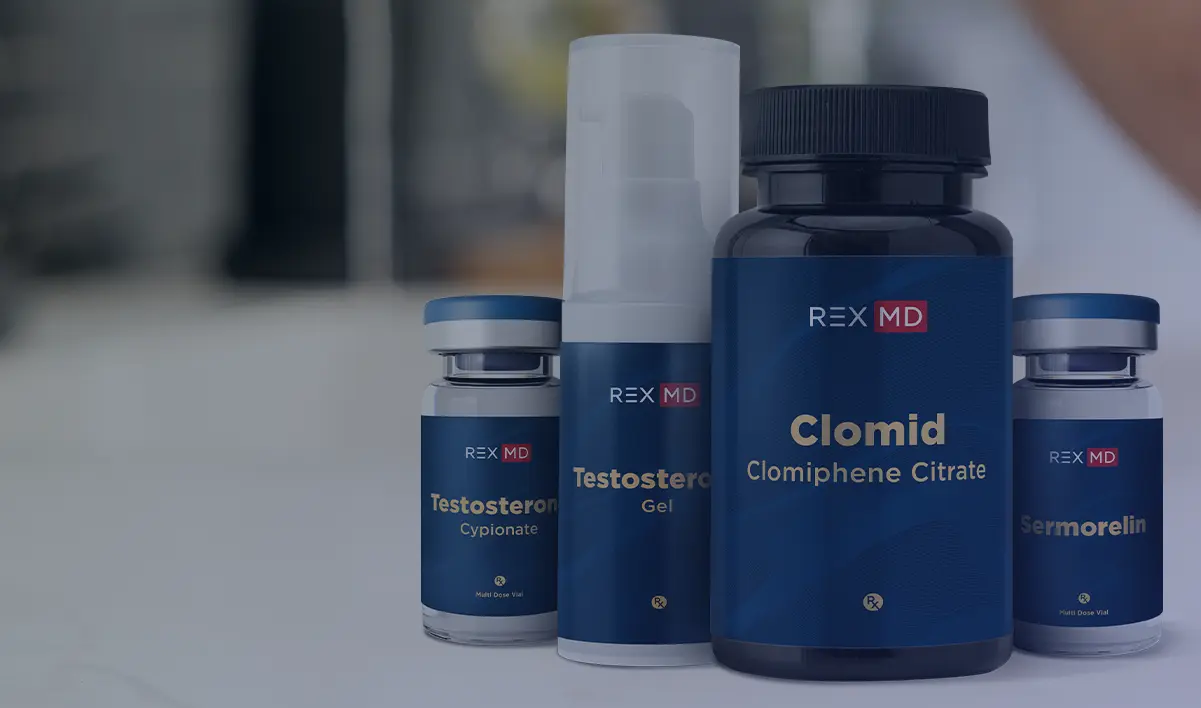
There are several treatment options available for clinically eligible patients that may alleviate symptoms of conditions associated with low testosterone in adult men. The Rex MD Testosterone Program offers testosterone replacement therapies (TRT) and other testosterone support treatments:
- TRT:
- Testosterone Cypionate (injection)
- Testosterone Gel
- Testosterone Support:
- Clomid® (clomiphene citrate tablet)
- Sermorelin (injection)
Explore Our Testosterone Program Solutions
TRT
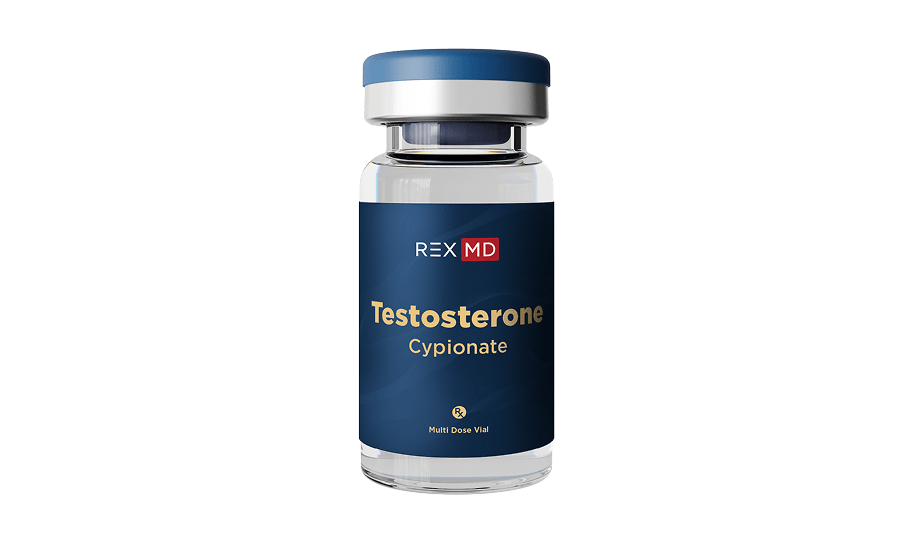
Testosterone Cypionate
An injectable form of testosterone that helps maintain stable levels in the bloodstream.
ⓘ Important safety information ›
TRT
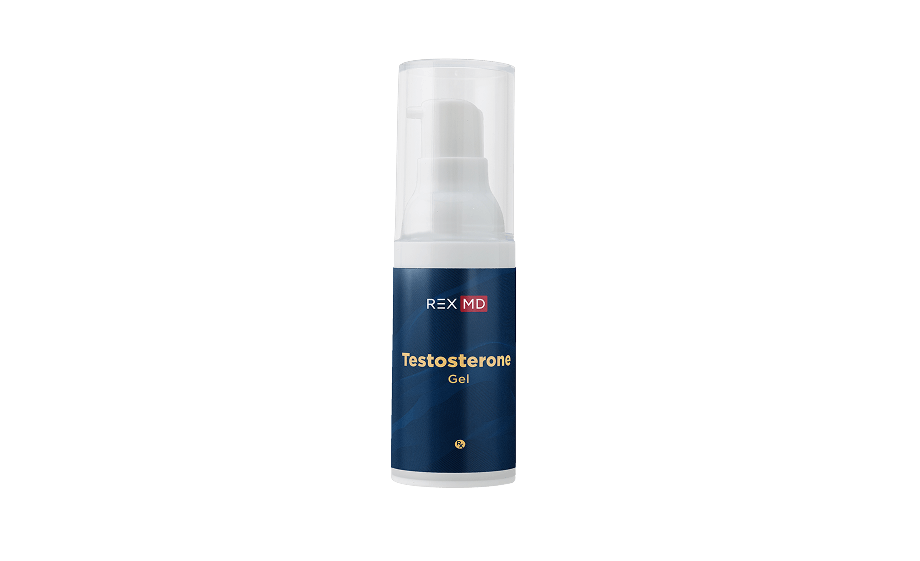
Testosterone Gel
A topical gel applied to the skin that provides a steady release of testosterone.
ⓘ Important safety information ›
Testosterone Support
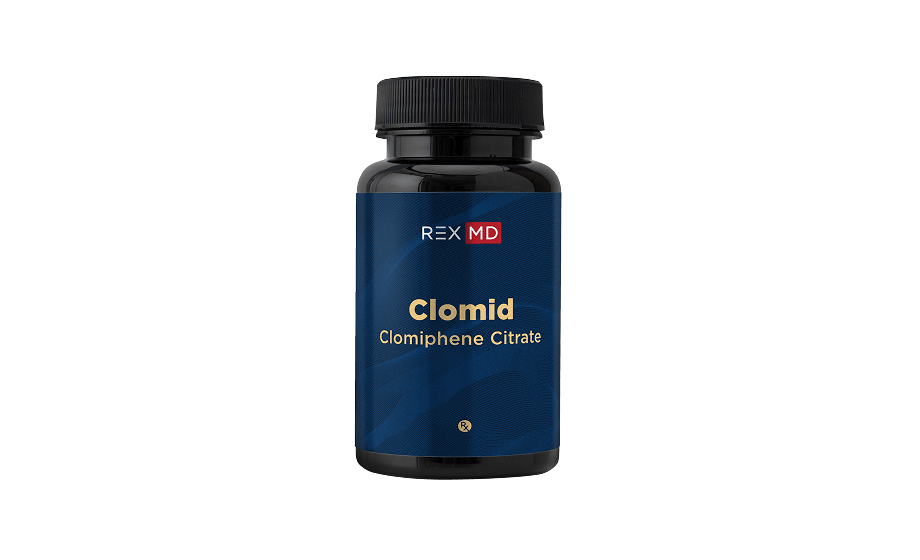
Clomid®
An oral medication that helps stimulate the body's own production of testosterone.
ⓘ Important safety information ›
Testosterone Support
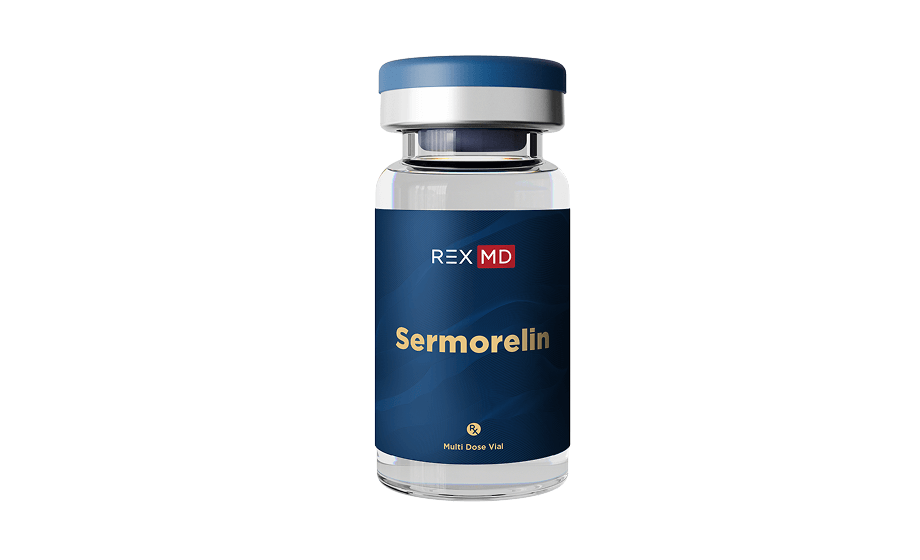
Sermorelin
A compounded peptide therapy that boosts growth hormone (GH), supporting overall health and potentially improving factors related to low testosterone.††
ⓘ Important safety information ›
Frequently Asked Questions About Testosterone
What is testosterone?
Testosterone is the male sex hormone produced in the testicles. It affects everything from a man's physical appearance to his sexual development and function. Men start losing between 1% and 2% of their testosterone every year once they hit their 30s.
What does testosterone do?
Testosterone is a hormone primarily produced in the testes of males. It plays a crucial role in various physiological processes.
Testosterone is responsible for the development of primary and secondary sexual characteristics in males – such as the growth and maturation of the reproductive organs, deepening of the voice, and the growth of facial and body hair.
Beyond sex-related changes, testosterone also plays a crucial role in maintaining physical strength, as well as promoting bone density. It contributes to the production of red blood cells in the bone marrow and helps transport oxygen throughout the body.
Testosterone can have an impact on mood, energy levels, cognition, and overall well-being. It helps maintain a healthy libido and supports sexual function, influencing sexual desire and performance.
Overall, testosterone is a vital hormone for the proper functioning of the reproductive system, muscle and bone health, and overall physical and mental well-being.
Does masturbation decrease testosterone?
No. Masturbating will not negatively affect your testosterone levels or any other aspects of your life in the long-term.
Does working out increase testosterone?
Yes — but only briefly. Research shows testosterone levels rise for short periods of time after exercise. Currently, there is not enough evidence to show regular exercise can have more lasting effects on testosterone levels.
How does testosterone replacement therapy work?
Testosterone replacement therapy is designed to treat conditions associated with low testosterone levels in men. TRT works by introducing exogenous testosterone into the body. This means that the testosterone is sourced outside of the body, such as from medication.
By supplementing the body with external testosterone, normal levels are restored and symptoms of low testosterone are alleviated.
Please note that reduced fertility is observed in some men taking testosterone replacement therapy and its impact on fertility may be irreversible.
Clinically eligible patients may also access other forms of treatment that are not testosterone replacement therapy to help support healthy testosterone levels without impacting fertility.
How do I know if I qualify for testosterone replacement therapy?
Testosterone replacement therapy (TRT) is prescribed to men with symptoms of conditions associated with low testosterone, such as hypogonadism. Men who experience symptoms of low testosterone (some of which include fatigue, breast growth, low libido, and depression) will undergo blood work to determine if a condition associated with low testosterone is in fact the cause of these symptoms.
If a provider determines that you are clinically eligible for treatment, you may be prescribed a form of TRT or other testosterone support treatments.
To find out if the Rex MD Testosterone Program is right for you, you can get started by answering some questions about your symptoms and medical history.
Your provider will order lab work for you to help determine if you’re eligible for TRT or another treatment option. You’ll then be able to schedule a virtual consultation with your provider.
What’s the difference between TRT and other testosterone solutions?
Testosterone replacement therapy (TRT) is used to address conditions associated with symptoms of low testosterone levels. It involves replacing the body's insufficient testosterone with synthetic forms, typically through injections like testosterone cypionate or gels like testosterone gel. These treatments may irreversibly reduce fertility in some men.
Testosterone support treatments, on the other hand, aim to enhance or support natural testosterone production rather than replace it. These treatments might include lifestyle changes, dietary supplements, or medications like Clomid® that help optimize the body’s own testosterone levels. They are often used for individuals with lower but not critically low testosterone levels or those looking to improve overall hormone balance without replacement therapy.
How long does it take for treatment to work?
How quickly you may notice changes depends on the specific medication prescribed, your dosage, and your individual health factors. Some patients may begin noticing improvements in symptoms such as energy, mood, or libido within the first few weeks, while physical changes can take longer. Your provider will monitor your response and adjust treatment as needed.
How much does the Rex MD Testosterone Program cost?
The Rex MD Testosterone Program begins with an initial offering of a one-time purchase for $99, which includes a lab panel and a video consultation with a provider or nurse practitioner.†
For patients prescribed medication, the program costs as low as $250 per month, covering quarterly shipments of the prescribed treatment, ongoing lab tests, and a minimum of one video consult per year.
Steps for Getting Medication
1. Dynamic online questionnaire
Answer questions about your symptoms and medical history.
2. Get your lab work
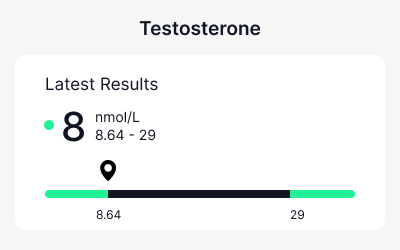
Your lab work will help determine if you are eligible for any of the medications accessible through Rex MD’s Testosterone Program. It’s best to get these done between 8am and 10am, because that’s when testosterone levels peak.
3. One-on-one video call
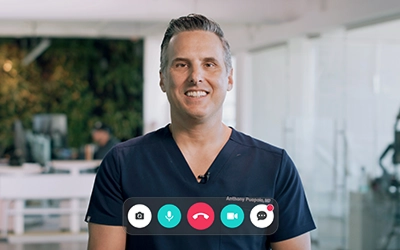
After your results are ready, you can schedule a video call with a licensed healthcare provider to discuss your results, eligibility, and which treatment option would be most suitable for you, if any.
4. Fast, discreet shipping
If prescribed, your medication will ship out in discreet packaging within two days. You’ll need to be home to sign for your medication when it arrives if it is a form of TRT. For other medications, this requirement may not apply.
5. Ongoing support
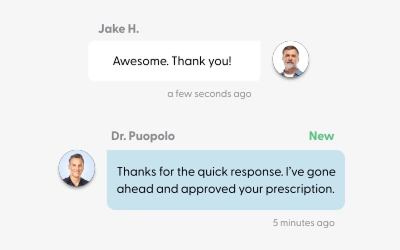
You can message your provider anytime to discuss your treatment, ask questions, or make any necessary adjustments. You'll need to complete new lab work 90 days after your start date, followed by labs every six months. Additionally, you'll have a video call with your provider at least once a year.